
Best Fall Foods for Health and Weight Loss
Melissa Bennett ND contributed this AJC article. Please check out this link.
Best Fall Foods for Health and Weight Loss
Melissa Bennett ND contributed this AJC article. Please check out this link.
Best Fall Foods for Health and Weight Loss
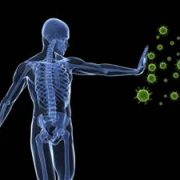
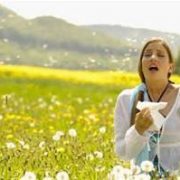
With recent news of the EpiPen increasing to approximately $600.00 per year, allergies are in the headlines. According to research allergies affect as many as 30 percent of adults and 40 percent of children. Allergic disease, including asthma, is the fifth leading chronic disease in the U.S. in people of all ages. Allergies not only disrupt our lives, but ultimately keep our immune system in a state of constant hyperactivity.
Allergies and Stress
I personally feel allergies and stress or deeply connected. I remember the day I visited my veterinary friend’s practice and fell deeply in love with the clinic kitty “Smokey”. He was a beautiful silver grey cat and if he had been human, he definitely would have been a handsome underwear model! He looked at me and I was his. This day he adopted me and I took him home.

By the time I got him into my house, my eyes were swollen and I could hardly see…sadly I had to bring him back to the office. Several weeks later, I am visiting my friend and there he is again…this time he would not take his eyes off of me and I could not resist trying to take him home once again. To my surprise, I had absolutely no reaction to him the second time. Now over the past 7 years I occasionally have a flare up but it soon dissipates. So what happened?
“Allergies” are the immune system overreacting to benign substances. Individuals who suffer from allergies do so as a result of a genetic susceptibility combined with nutritional and environmental influences. Our bodies are exposed to so many internal and external chemicals each year. They come in the form of air pollution, pesticides, toxic household cleaners, and industrial contaminants. It is not surprising that at times our immune system is overwhelmed and confused by this toxic load. Epidemiological studies have shown that all types of allergic diseases are more common in polluted than in unpolluted areas. So the fact I was allergic to Smokey at one time and not at another confirms that my body was in a state of stress and could not handle one more stressor at that point.
From a naturopathic viewpoint, decreasing exposure to the cause is the first step to treating allergies and asthma. The next step is identifying any and all food sensitivities. Most people have some food sensitivities, and when we decrease the immune reactivity in one area of the body, it helps decrease in other areas as well. This basically says that any decrease in the overall allergenic load will decrease full body symptom expression. Since we can control what we put in our mouths, this is the first place to start after removing evident toxic chemicals from our foods. A great book to read regarding chemicals in our food is the Dorito Effect By Mark Schatzker. This book has a very cool cover of floating Doritos which will grab your attention.
Our goal through nutrition is to decrease histamine, decrease inflammation, and increase anti-allergic substances in our diet. Foods high in histamine which should be avoided are cheese, some wines, and certain kinds of fish such as tuna and mackerel.
Foods that should be included in your diet are anti-oxidant rich foods and essential fatty acids. Anti-oxidants are high in green, red and yellow vegetables, sunflower seeds, wheat germ oil, and Brazil nuts. Essential fatty acids are present in flaxseed oil, borage oil, evening primrose oil, grass fed animals, and cold water fish. Onion and garlic are particularly antiallergenic because they inhibit inflammatory enzymes. Of course even healthy foods can sometimes cause a food intolerance. Therefore it is good to give your body a break from these foods for a certain time to allow a “rest” period from specific foods which show up on an allergy test.
The Olive Leaf provides several avenues for eliminating inflammatory foods and chemicals…
If you are interested in any of these programs, please schedule a consultation and we will be happy to discuss the best option for you or your loved one.
I know many of you are familiar with probiotics, but I want to give you a brief history of the origin as well as an overview of the benefits of what probiotics have to offer you and your family.
The history of probiotics started in the early 20th century, a scientist Elie Metchnikoff (the father of probiotics) discovered that a particular group of people who lived in rural Bulgaria was living to very old ages even though they were living in poverty and very harsh climates. Elie theorized that health could be enhanced and senility delayed by manipulating the intestinal microbiome with host-friendly bacteria found in sour milk. Scientists at this time did not support his hypothesis, and he endured much opposition, particularly from scientists who claimed that only body fluids and soluble substances in the blood (antibodies)—and not cells—destroyed invading microorganisms. This view was known as the humoral theory of immunity. For the next 50 years this was considered mainstream, but in the 1940s scientists began to reexamine the role cells play in fighting off infections. Eventually, Metchnikoff’s theory of cellular immunity was vindicated when aspects of both schools of thought became integrated into the modern understanding of immunity. Metchnikoff devoted the last decade of his life to investigating means of increasing human longevity and advocating the consumption of lactic acid-producing bacteria. It is ironic that many ideas in health care came about from those who questioned “mainstream” and sought after wisdom to gain knowledge. Due to the diligence of Elie Metchnikoff, we were introduced to the wonderful world of probiotics!
The root of the word probiotic comes from the Greek word pro, meaning “promoting,” and biotic, meaning “life.” When one thinks of beneficial bacteria, it can be a little difficult to understand. How can bacteria be beneficial especially when many take antibiotics to kill bacterial infections and our world is consumed with antibacterial lotions and soaps! It would appear that we are in a constant all-consuming battle to kill the ever-present bacteria invading our lives. It is true that the wrong bacteria in the wrong place can cause problems…
personally, I have not taken an antibiotic in 20 years but as I sit here writing this letter I am currently on an antibiotic which is helping my big toe who injured itself (from no fault of my own) while I was hiking down Stone Mountain last week! The inflammation and severe pain subsided after starting the medication, and I was greatly relieved to see my big toe not be as big and the color going back down to the lovely pale pink and not the screaming red of bacterial infection. Antibiotics are “anti-microbial” therefore; they are on a mission to wipe out any source of bacteria “good” or “bad” to complete their job. I am glad to say me and my toe are happy to have them!
Unfortunately, according to the CDC overuse and misuse of antibiotics can promote the development of antibiotic-resistant bacteria. Every time a person takes antibiotics, sensitive bacteria (bacteria that antibiotics can still attack) are killed, but resistant bacteria are left to grow and multiply. Repeated use of antibiotics can increase the number of drug-resistant bacteria. Antibiotics have also been prescribed and are not effective against viral infections like the common cold, flu, most sore throats, bronchitis, and many sinus and ear infections. Widespread use of antibiotics for these illnesses is an example of how overuse of antibiotics can promote the spread of antibiotic resistance. (Centers for Disease Control and Prevention)
I feel probiotics have the greatest impact from a preventative standpoint. We all have an estimated 100 trillion microorganisms representing more than 500 different species inhabit every normal, healthy bowel. These microorganisms (or microflora) do not make us sick; most are helpful. These Gut-dwelling bacteria keep pathogens which are harmful microorganisms in check. They also aid digestion and nutrient absorption and contribute to immune function. The problem occurs when these flora get out of balance. If you’re dealing with any of the following, you might have an unhealthy gut:
We all have different standards of what is to be considered “normal” with our digestive system. But certain issues especially those that are chronic can have a considerable impact on our health and quality of life. The following is a short list of conditions that may indicate your gut is out of balance.
• Gas
• Bloating
• Heartburn/acid reflux
• Diarrhea
• Constipation
• Irritable Bowel Syndrome
• Irritable Bowel Disease (including Crohn’s and Ulcerative colitis)
Your Gut is your second brain! Have you ever felt that deep sinking feeling in the pit of your stomach? The feeling you are having is a visceral reaction to emotion. So it makes sense that the health of your gut affects the health of your brain. Your gut bacteria produce neurotransmitters such as Gaba and Serotonin, in fact, 90% of serotonin is produced in the gut which is responsible for appetite, mood, sleep and relaxation. Studies are now showing the correlation between people with certain mental disorders and disturbances within their gut bacteria.
• Depression and anxiety
• Brain fog
• OCD
• Autism
• Vitamin and Mineral Deficiencies
A healthy gut also plays an important role when it comes to helping your body produce and synthesize vitamins and minerals. When your gut bacteria is out of balance, your body has a harder time getting enough of the following essential vitamins and minerals. I provide micronutrient testing in my practice to identify depleted nutrients. If there is an excessive amount of nutrient imbalance, we offer testing to check the microflora and SIGA levels of the gut to see what is out of balance.
• Vitamin D
• Vitamin K
• Vitamin B12 and B7
• Magnesium
Correctly using Antibiotics are beneficial. Using them incorrectly can create issues. Antibiotics used in the food industry on factory-farmed animals. They are prescribed for viral infections and are not useful. Antibiotics wipe out bad bacteria, but they also wipe out many of the good bacteria in the gut that are essential for your health. Research also suggests that good bacteria are destroyed by antibiotics and do not replace themselves unless you intervene.
• Unmanaged stress raises cortisol levels, which can stop the gut from working properly. If you’ve been stressed for the past few months (or years, or decades) but haven’t acted to manage your stress, you’re more likely to have an unhealthy gut.
The skin is your largest organ, and it can reflect what is happening inside your body. The problem isn’t with the skin itself; It can be due to unbalanced flora. If you have any of these skin conditions, You may want to look inside to help the outside.
• Acne
• Rosacea
• Psoriasis
• Eczema
Autoimmune diseases can be difficult to manage because the body is attacking itself and autoimmune disease hard to diagnose for many doctors. Research is emerging linking autoimmune diseases to an unhealthy gastrointestinal system. Balancing your gut flora is a foundational approach which may help relieve symptoms, If you’re dealing with any of the following.
• Hashimoto’s
• Rheumatoid arthritis
• Inflammatory bowel disease
The good news is that a growing body of scientific evidence suggests that you can treat and even prevent some illnesses with foods and supplements containing certain kinds of live bacteria. Northern Europeans consume a lot of these beneficial microorganisms, called probiotics because of their tradition of eating foods fermented with bacteria, such as yogurt. Probiotic-laced beverages are also big business in Japan. The United States has jumped on board the Probiotic bandwagon and now almost every yogurt commercial praises the benefits of probiotics and its amazing ability to help with our immune system. Some digestive disease specialists are recommending them for disorders that frustrate conventional medicine, such as irritable bowel syndrome. Since the mid-1990s, clinical studies suggest that probiotic therapy can help treat several gastrointestinal ills, delay the development of allergies in children, and treat and prevent vaginal and urinary infections in women. Other GI issues such as diarrhea (studies in children and infants showed that probiotics reduce antibiotic-associated diarrhea by 60% when compared to a placebo) I have used probiotics to help those with chronic sinus infections as well as those with yeast infections.
Probiotics are safe because they’re already present in a healthy digestive system but, it is important to know that not all probiotics are the same. Health benefits are strain-specific, but not all strains are useful. Also, manufacturers are responsible for making sure they are safe and efficient. Manufacturers are also accountable to list the types of bacteria listed on a label are true. In the United States, most probiotics are sold as dietary supplements, which do not undergo the testing and approval process so make sure your probiotic is provided by a reliable source. The Olive Leaf only carries the highest quality supplements. Please check out our online store and our affiliates. If you are interested in ordering a probiotic please contact our office and we will be happy to make suggestions. If you are a family member are suffering from any of the conditions listed in this newsletter you may want to consider adding a probiotic into your daily routine to maintain balance within your digestive system which in turn will help your body function to the best of its potential.
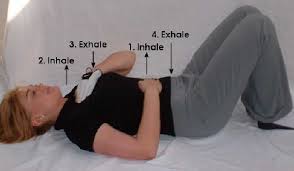
The following is a list of breathing exercises that are effective. I also like pillow breathing — Just lay on your back with a throw pillow on your abdomen you can inhale slowly through your nose and exhale through your mouth 3 or 4 times while watching the pillow rise and fall with each breath. You can start with 3 or 4 and work up from there.
This is also a great website for meditation. I feel breathing is very important to help calm the mind. God breathed His life into us and He has placed everything here for our healing. Breathing air properly will help us reset our sympathetic nervous system.
This is the breathing exercise from Dr. Andrew Weil
Exercise 2:
The 4-7-8 (or Relaxing Breath) Exercise
This exercise is utterly simple, takes almost no time, requires no equipment and can be done anywhere. Although you can do the exercise in any position, sit with your back straight while learning the exercise. Place the tip of your tongue against the ridge of tissue just behind your upper front teeth, and keep it there through the entire exercise. You will be exhaling through your mouth around your tongue; try pursing your lips slightly if this seems awkward.
· Exhale completely through your mouth, making a whoosh sound.
· Close your mouth and inhale quietly through your nose to a mental count of four.
· Hold your breath for a count of seven.
· Exhale completely through your mouth, making a whoosh sound to a count of eight.
· This is one breath. Now inhale again and repeat the cycle three more times for a total of four breaths.
Note that you always inhale quietly through your nose and exhale audibly through your mouth. The tip of your tongue stays in position the whole time. Exhalation takes twice as long as inhalation. The absolute time you spend on each phase is not important; the ratio of 4:7:8 is important. If you have trouble holding your breath, speed the exercise up but keep to the ratio of 4:7:8 for the three phases. With practice you can slow it all down and get used to inhaling and exhaling more and more deeply.
This exercise is a natural tranquilizer for the nervous system. Unlike tranquilizing drugs, which are often effective when you first take them but then lose their power over time, this exercise is subtle when you first try it but gains in power with repetition and practice. Do it at least twice a day. You cannot do it too frequently. Do not do more than four breaths at one time for the first month of practice. Later, if you wish, you can extend it to eight breaths. If you feel a little lightheaded when you first breathe this way, do not be concerned; it will pass.
Once you develop this technique by practicing it every day, it will be a very useful tool that you will always have with you. Use it whenever anything upsetting happens – before you react. Use it whenever you are aware of internal tension. Use it to help you fall asleep. This exercise cannot be recommended too highly. Everyone can benefit from it.
Yours In Health,
Melissa Bennett, ND